
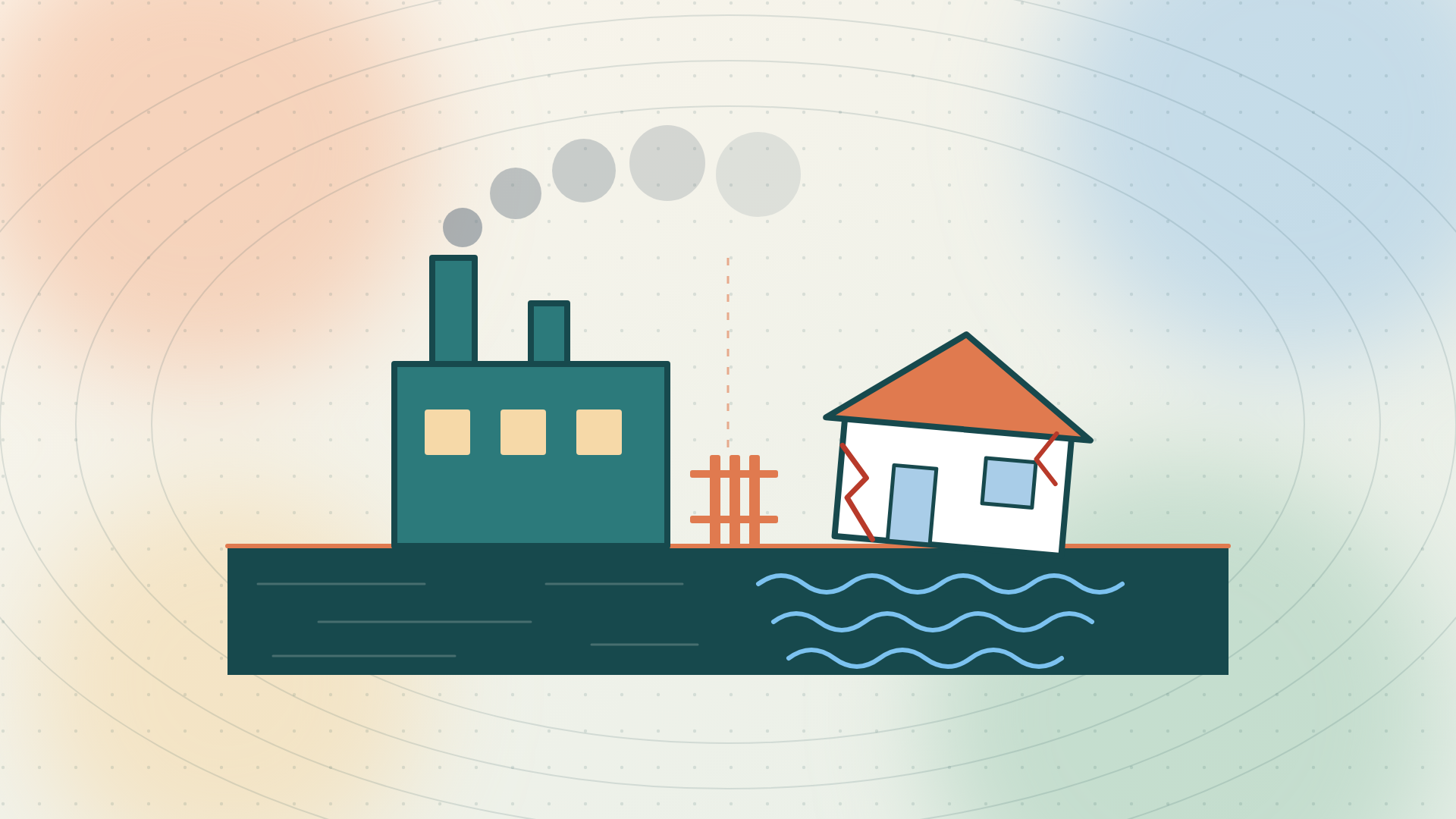
"It is not lawful to build on one's own land what may be injurious to another."
Ownership is never absolute. This maxim draws a clear line: your rights end where another's harm begins. Even on land you fully own, the law prohibits constructions or activities that would cause damage — physical, structural, or environmental — to a neighbor or the surrounding community.
It is the legal backbone of nuisance law and underpins modern land-use regulations, zoning codes, and environmental statutes. A factory, a wall, a drainage system — all may be perfectly legal on your property, yet unlawful if they cause subsidence, flooding, or structural injury to another's estate.
In practice: courts apply this principle to assess not just physical structures, but also emissions, noise, and alterations to natural watercourses. The key question is always whether the use causes unreasonable harm to an identifiable neighbor.
A timeless restraint on ownership — the law has always known that rights carry responsibilities, and a fence around your land is never a fence around your obligations to others.