Caveat Emptor:
Buy at Your Own Risk
The ancient principle that still governs markets today.
There is a Latin phrase older than most legal systems in use today, and yet it remains as relevant as ever in the modern marketplace:
caveat emptor — "let the buyer beware."
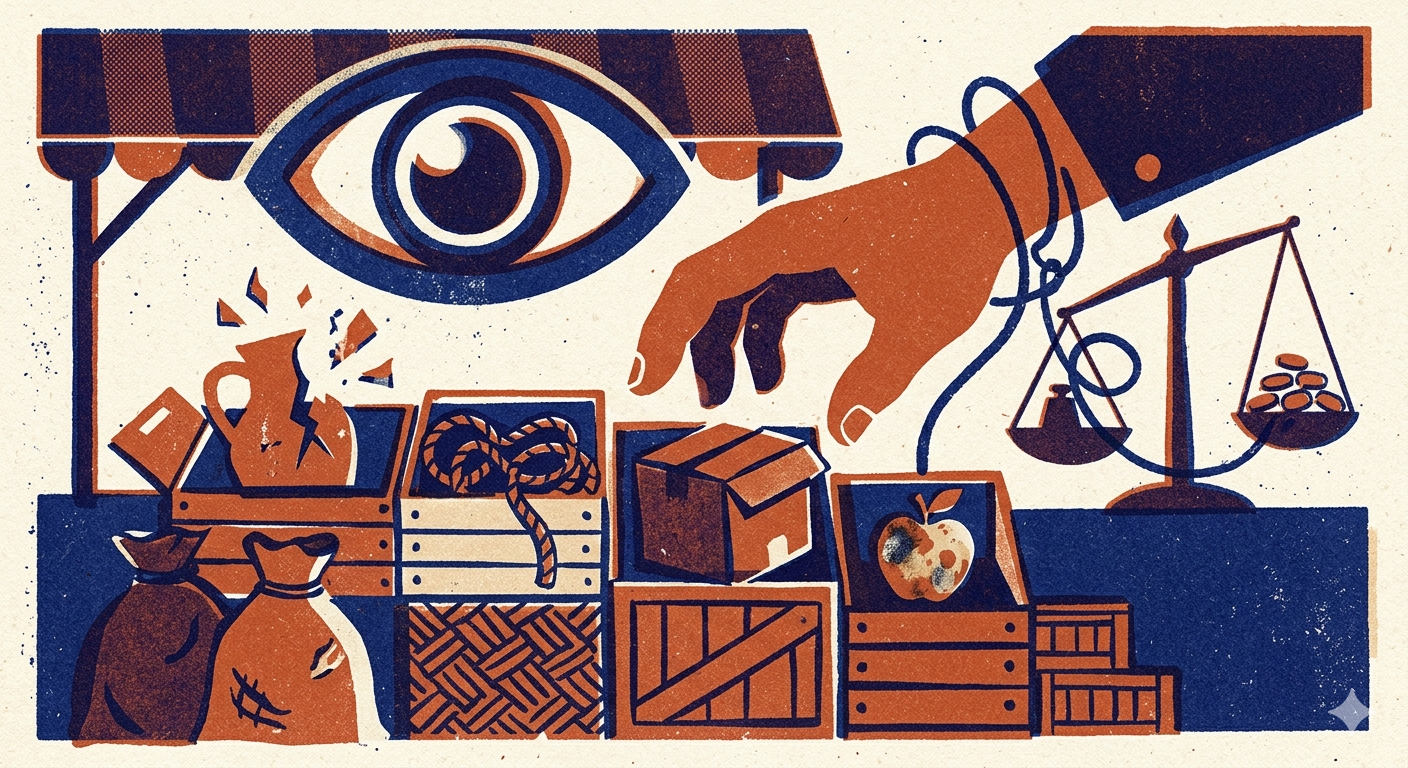
At its core, this maxim establishes a deceptively simple rule: before you hand over your money, the burden of checking what you are getting falls entirely on you. Once the transaction is complete, the seller bears no legal obligation to have warned you about defects that you could have discovered yourself.
"The risk of the transaction rests squarely on the purchaser — not the seller."
What the law actually says
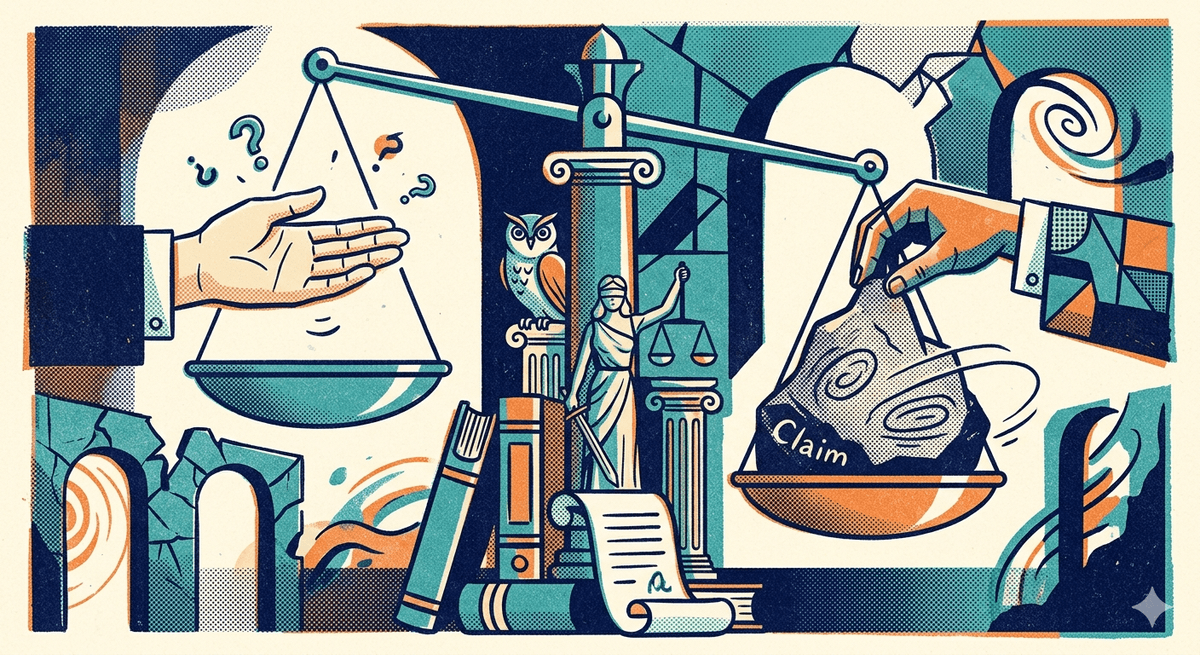
Under traditional common law, a seller is not legally required to disclose obvious defects in the goods being sold. The responsibility to inspect, evaluate, and satisfy oneself about a product's condition lies with the buyer. This assumes that both parties are dealing at arm's length — that is, as independent parties on equal footing, each looking out for their own interests without any special relationship of trust between them.
The principle is not a loophole for dishonesty. It does not protect a seller who actively lies or conceals a hidden defect. What it does is draw a clear line: you cannot complain after the fact about something you had every opportunity to check before agreeing to buy.
Why this principle exists
The deeper rationale behind caveat emptor is a commitment to personal responsibility and due diligence. Markets function more efficiently when buyers engage seriously with what they are purchasing rather than relying on sellers to volunteer every unflattering detail. The maxim encourages people to ask questions, hire inspectors, and think critically — rather than assuming someone else will protect their interests.
The used car example
Consider the classic scenario: you buy a used car sold "as is." A week later, you discover the engine has been leaking oil for months. Can you sue the seller?
Under caveat emptor, almost certainly not — if the leak was something a basic pre-purchase inspection would have caught. You had the opportunity to look, and you either chose not to, or chose to accept the risk. The law will not rescue you from a deal you made without doing your homework.
Had the seller, however, knowingly concealed the defect or made false representations about the car's condition, the story would be very different. Fraud and active misrepresentation are distinct matters, and no version of caveat emptor shields a dishonest seller from liability.
A note on modern consumer law: many jurisdictions have significantly narrowed the reach of caveat emptor through consumer protection statutes, implied warranty doctrines, and mandatory disclosure requirements — particularly in residential real estate and retail goods. The maxim retains its strongest force in commercial transactions between sophisticated parties.