Ei incumbit probatio qui dicit, non qui negat
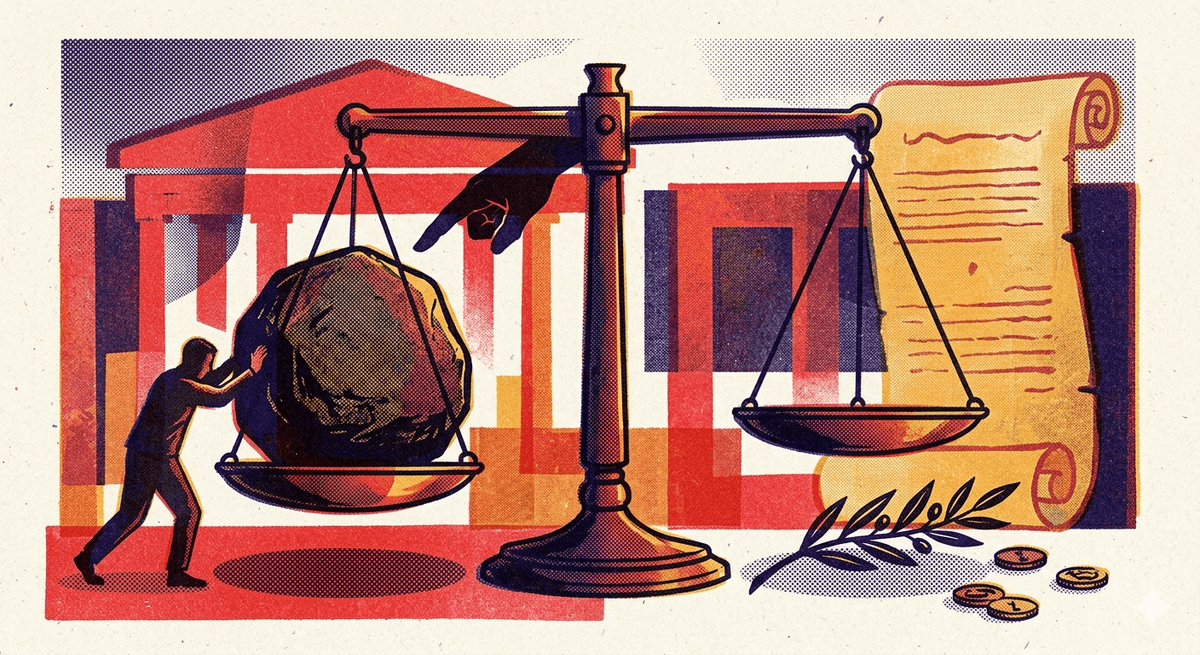
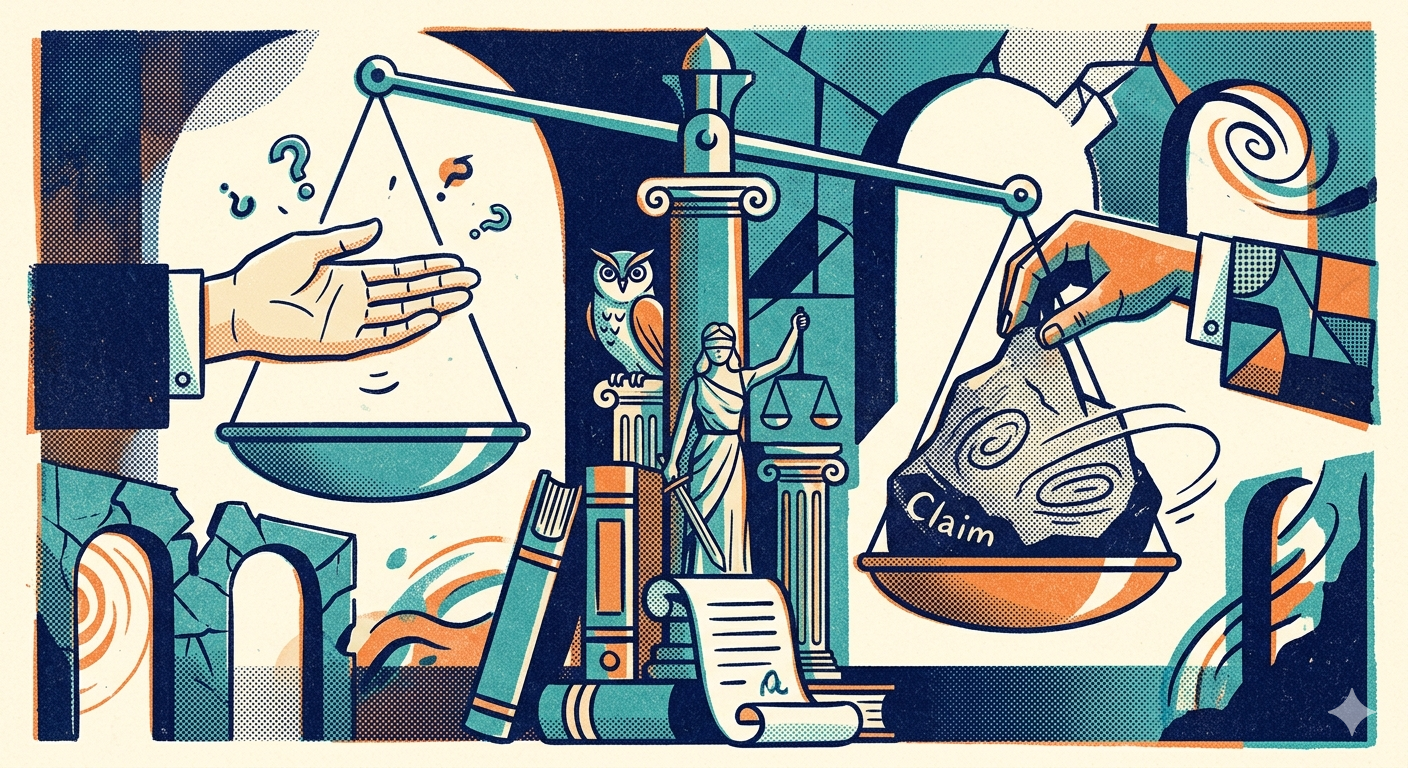
Few legal maxims cut as cleanly to the heart of justice as this one. Translated from Latin, it means: "The burden of proof lies on him who affirms, not on him who denies."
The principle dates back to the sixth-century Digest of Justinian (22.3.2), where it is attributed to the second and third-century Roman jurist Paul, and was later introduced into Roman criminal law by Emperor Antoninus Pius. That's nearly two millennia of legal weight behind a deceptively simple idea.
What it means in practice
The rule is straightforward: if you make a claim, you prove it. The other party is not obligated to disprove anything — at least not until a credible case has been established against them. The Romans recognized early that requiring someone to prove a negative would create an impossible burden — imagine trying to prove you never stole something, or that an event never occurred. The law, valuing practical solutions, resolved this by placing the obligation squarely on the accuser.
This shapes everything from how criminal trials are structured to how civil suits proceed. If a plaintiff sues over an unpaid debt, they must first demonstrate that the debt exists. The defendant has no obligation to prove they don't owe money until a prima facie case has been made.
Why it matters beyond the courtroom
The maxim also upholds the presumption of innocence — a cornerstone of fair legal systems — by protecting individuals from having to defend against unsubstantiated allegations. This creates a natural filter that discourages frivolous lawsuits and baseless accusations, and promotes judicial efficiency.
The principle is remarkably widespread across virtually every legal system, and in American law, it formally entered jurisprudence through the 1894 Supreme Court decision Coffin v. United States.
In short: proof lies on him who affirms, not on him who denies. It was true in ancient Rome. It remains true today.