Saying you were wronged is not the same as proving it.
Actori Incumbit Onus Probandi: Why the Burden of Proof Falls on the One Who Claims
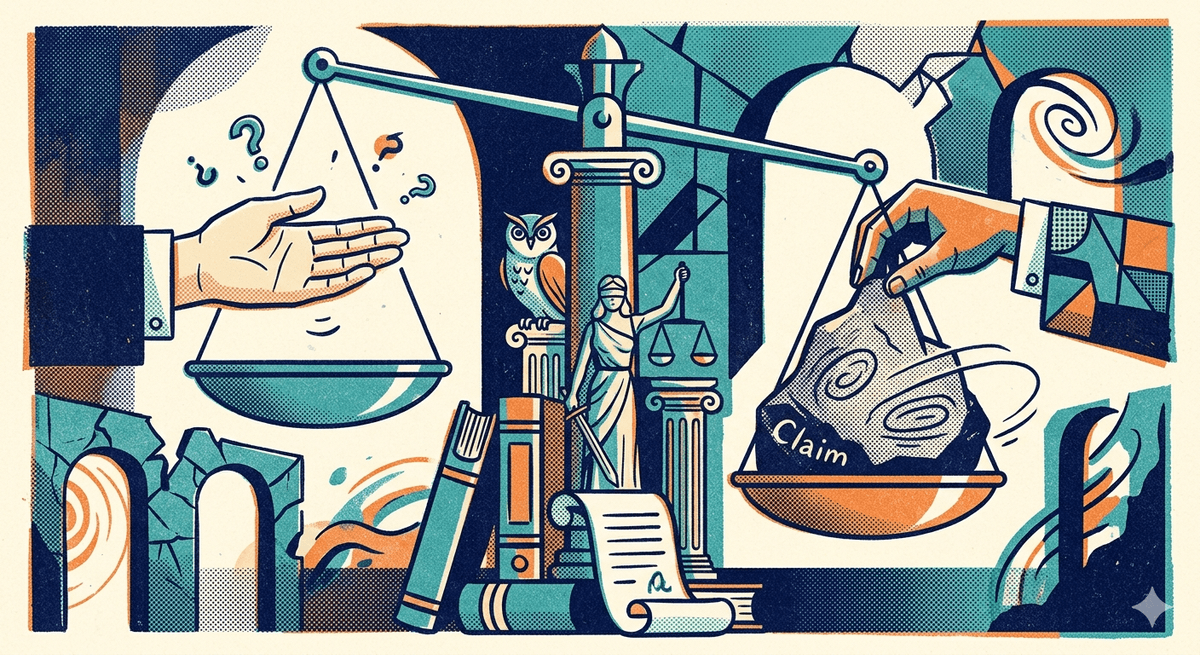
There is a Latin maxim quietly at work in every courtroom, in every civil dispute, in every moment a plaintiff stands before a judge and says, "I have been wronged." That maxim is actori incumbit onus probandi — and it answers one of the most fundamental questions in procedural law: who has to prove what?
The Essence
Translated literally, the phrase means "the burden of proof lies upon the one who asserts." It is, in many ways, the procedural counterpart to the broader presumption of innocence — a rule that tells us not just what must be proven, but who must do the proving.
The answer is simple: the Actor — the plaintiff, the claimant, the one who initiated the action — carries that weight.
Breaking It Down
The Rule. The burden (onus) of producing evidence rests squarely with the party who brings the case to court. You filed the lawsuit; you build the case.
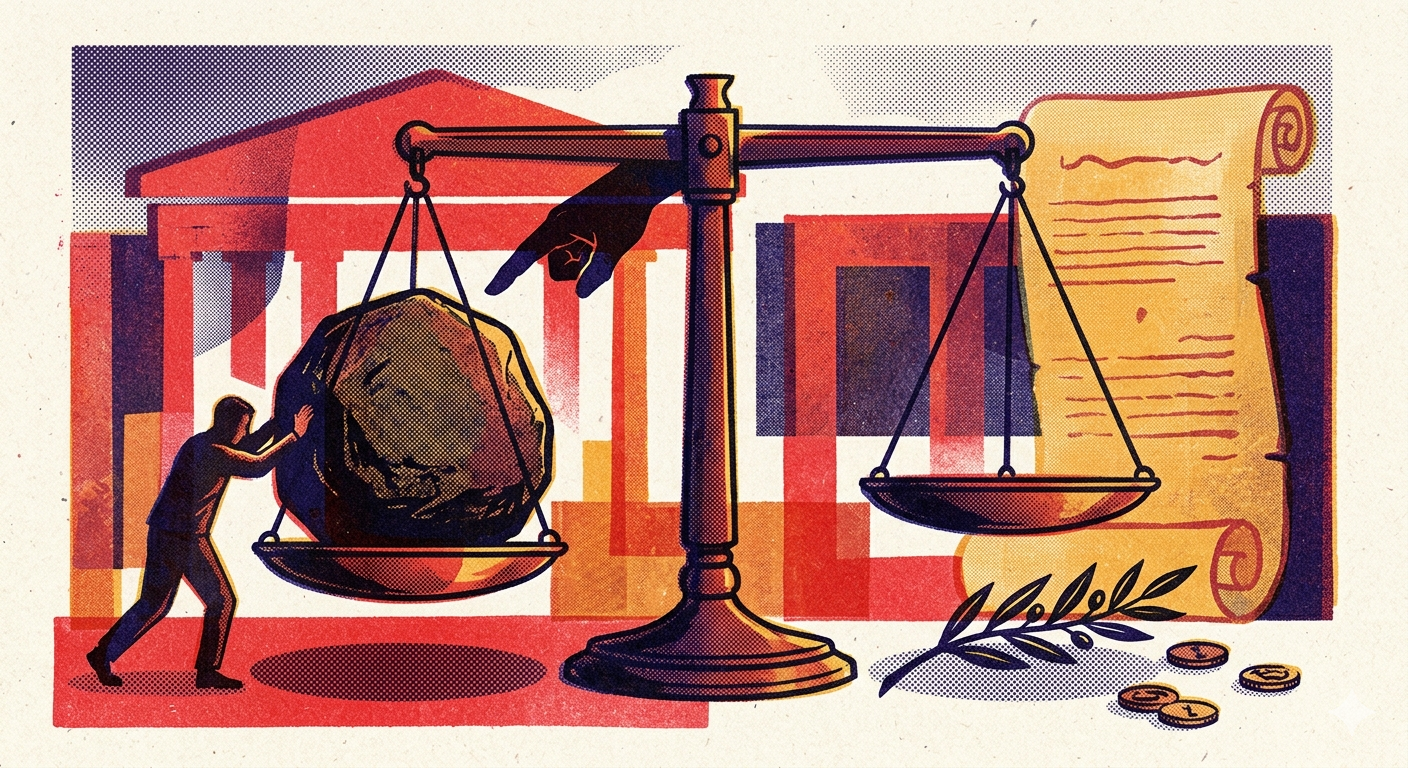
The Logic. Because the plaintiff is seeking to disturb the existing state of affairs — to claim a right, compel an action, or obtain a remedy — the law does not begin from a position of suspicion toward the defendant. The defendant is presumed to be in the right until the plaintiff tips the scales with facts sufficient to establish otherwise.
The Application. If you sue someone for breach of contract, the court will not turn to the defendant and ask why they didn't breach it. The court will turn to you and ask you to prove that they did. The absence of evidence is not neutral ground — it favors the party who has not yet been proven wrong.
In Short
The claimant carries the weight of proof. Not because defendants are inherently trustworthy, but because the legal system demands that accusations be substantiated before they carry consequences. To claim is easy; to prove is the work of litigation.
This maxim is a guardrail against the arbitrary exercise of judicial power. Without it, a mere allegation could shift the burden onto anyone to disprove it — an unreasonable and dangerous standard that the law has long rejected.