
Actus Reus
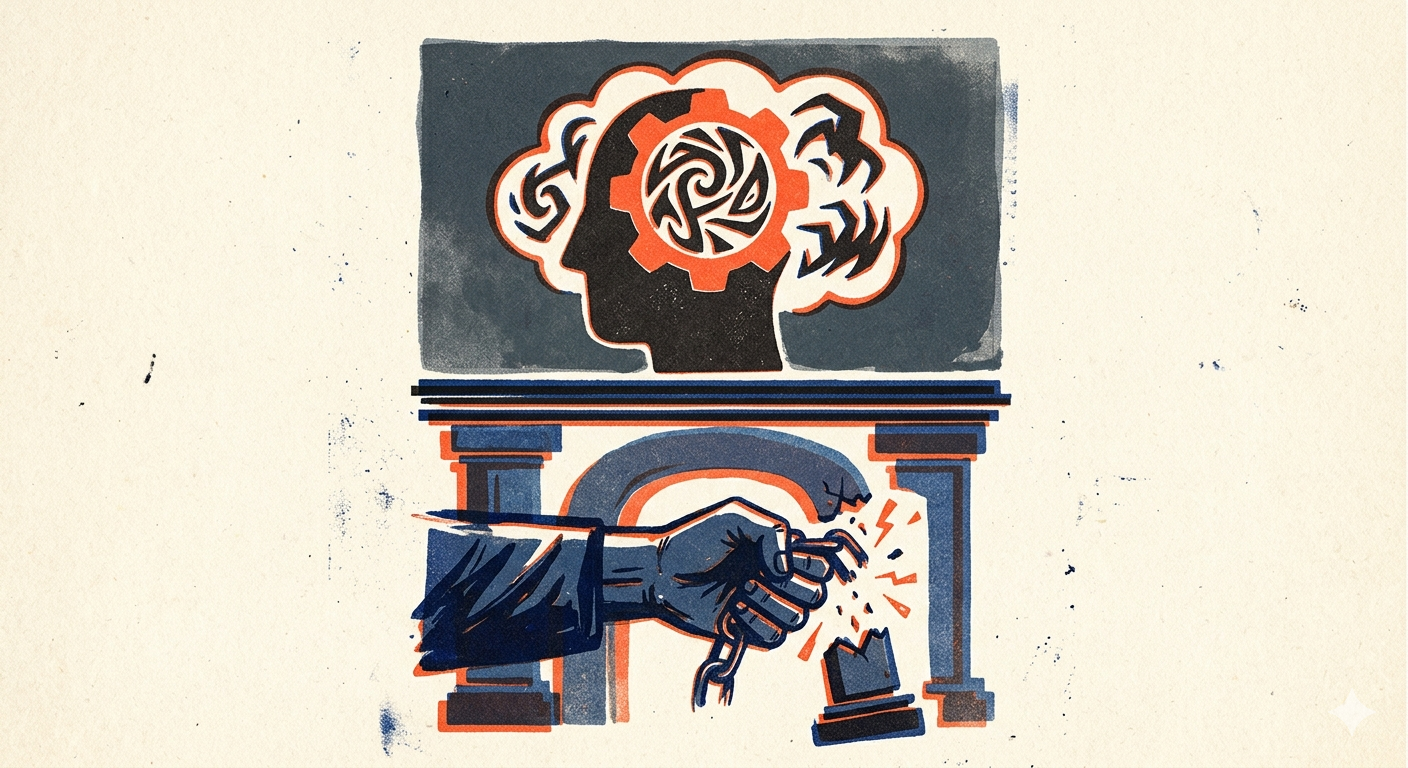
Thoughts don't make criminals — actions do. Before any crime can exist, there must be a guilty act, or in Latin, actus reus.
What counts as one? It comes in three forms: a physical commission (throwing a punch), an omission when you had a legal duty to act (a lifeguard ignoring a drowning swimmer), or a state of affairs — simply being found in a prohibited condition (possessing illegal substances).
One catch: the act must be voluntary. A seizure that causes you to strike someone isn't actus reus — control matters.
The Three Forms of Action
Actus Reus isn't always as simple as pulling a trigger. It usually falls into three categories:
Commission: A physical movement or action (e.g., theft or assault).
Omission: Failing to act when you have a legal duty to do so (e.g., a lifeguard ignoring a drowning swimmer).
State of Affairs: Being "found" in a certain condition or place (e.g., being in possession of illegal substances).