Actio Personalis Moritur Cum Persona
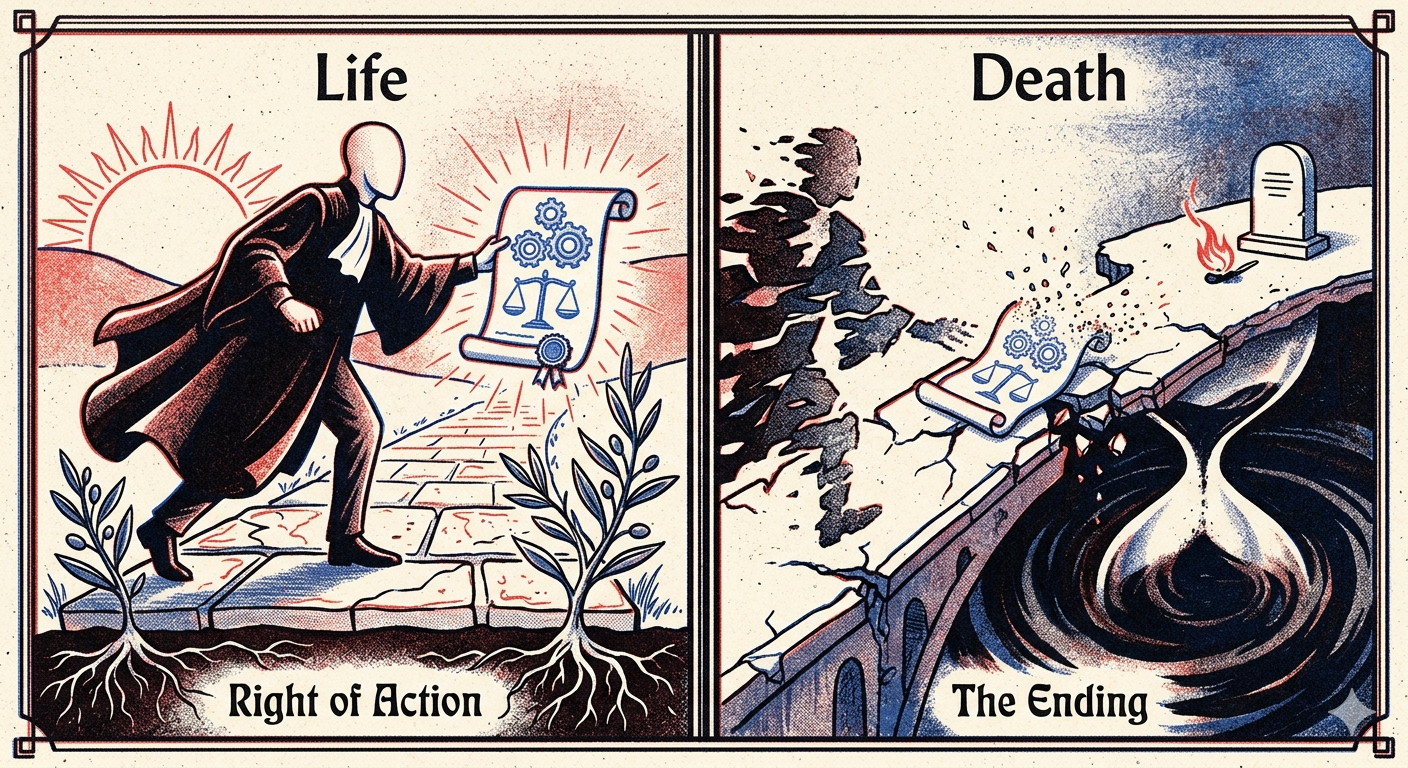
"A personal right of action dies with the person."
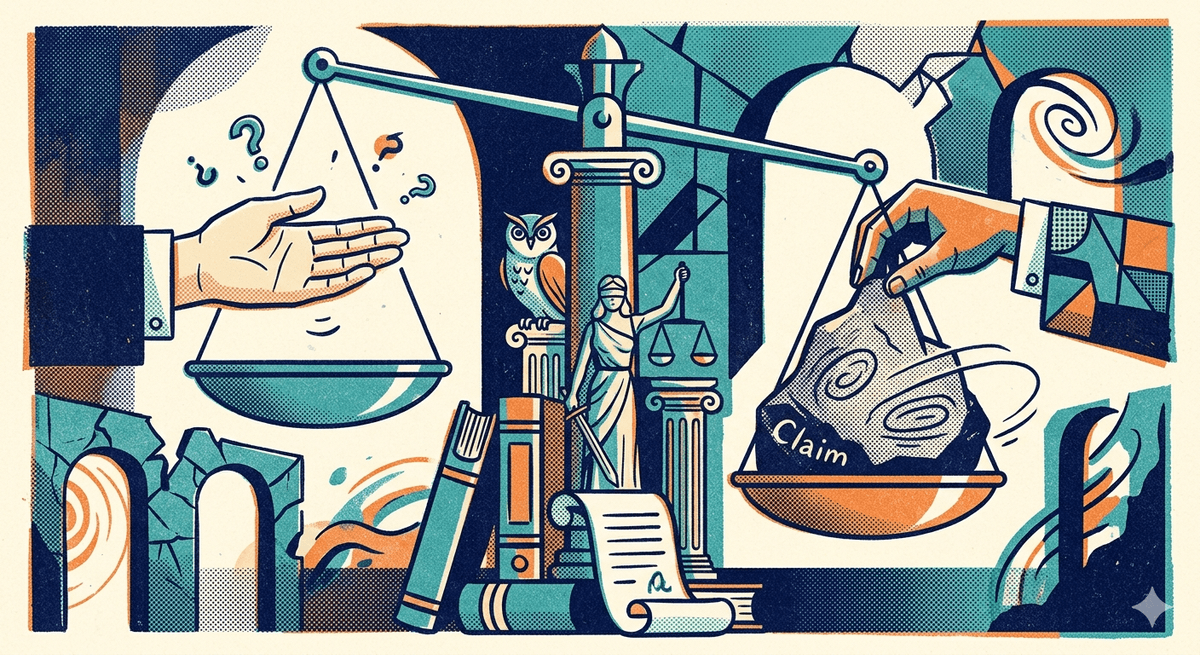
"Some rights don't transfer — because they were never really property to begin with. They were you."
Some legal principles are less rules and more statements about the nature of rights themselves. This is one of them — and it's worth sitting with.
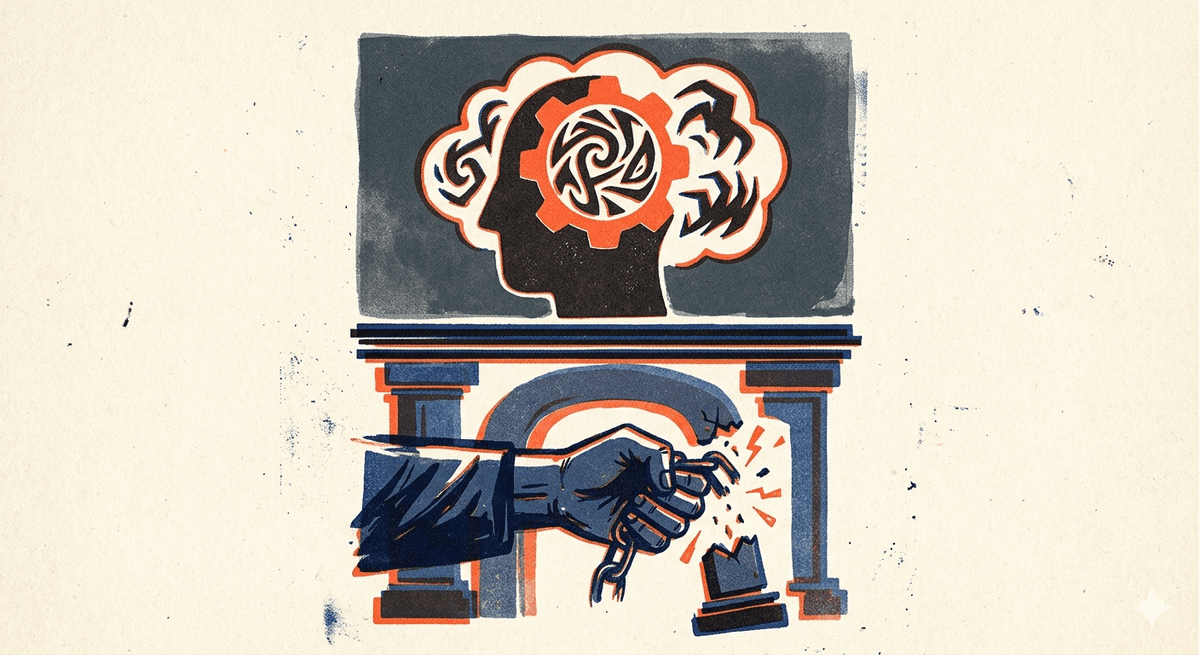
The maxim holds that certain claims are so tied to an individual that they simply cannot outlive them. When a person with such a right dies, the right dies with them. We're talking mainly about defamation, personal injuries, and other torts where the harm is deeply personal to the claimant. Not property. Not debt. You.
And it cut both ways. Die before suing, and your claim vanished. Die before being sued, and your estate walked away clean. If the damages were the kind that only you could suffer — unliquidated, personal, tied to your body or your name — then death closed the file, full stop.
So the question the maxim leaves behind isn't really historical. It's alive in every jurisdiction that still has to decide: is a right something you own, or something you are? The 1934 Act answered one way. The surviving exceptions answer another. The tension between them is exactly what makes this worth revisiting on a Monday morning.